You are here: Home » Blog » Comprehensive Guide To Kart Sprockets
Comprehensive Guide To Kart Sprockets
Views: 0 Author: Site Editor Publish Time: 2025-12-24 Origin: Site
Sprocket Fundamentals
Definition and Function of Sprockets
Sprockets are essential components in the drivetrain of a kart, serving as toothed wheels that mesh with the chain to transfer power from the engine to the wheels. Without sprockets, the kart's propulsion system would lack the necessary mechanical linkage, resulting in inefficient power delivery or no movement at all. Their primary role is to establish the gear ratio, which balances acceleration and top speed. In racing, this can determine victory, as it optimizes torque for quick starts and corners or speed for straights. Sprockets manage rotational differences between the engine and axle, ensuring smooth operation. They adapt engine power to track conditions, like torque for tight turns or speed for open sections. For enthusiasts, grasping this is key to customizing or maintaining karts effectively.
Common Material Types
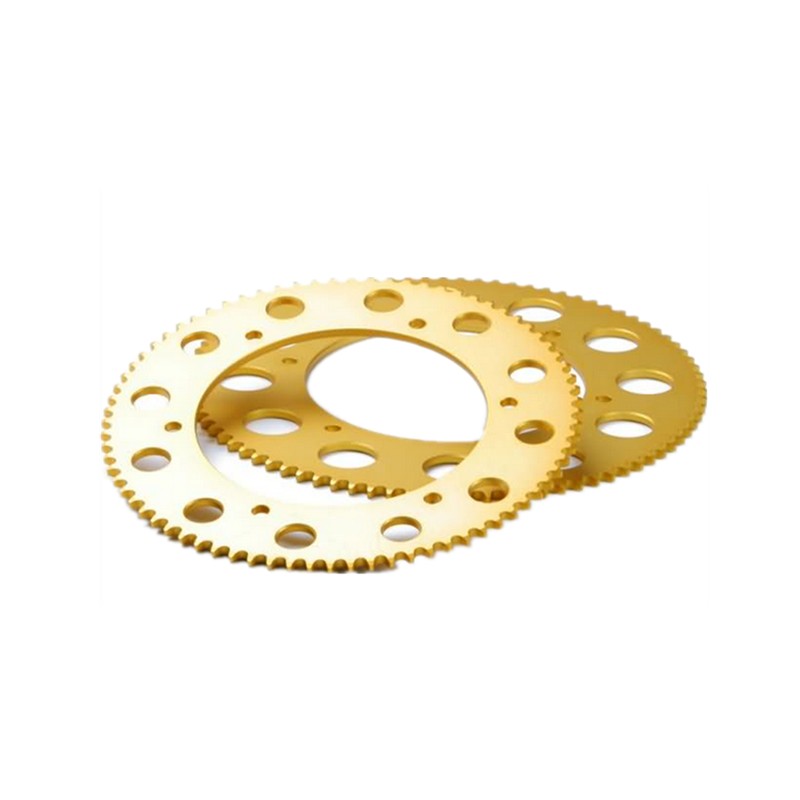
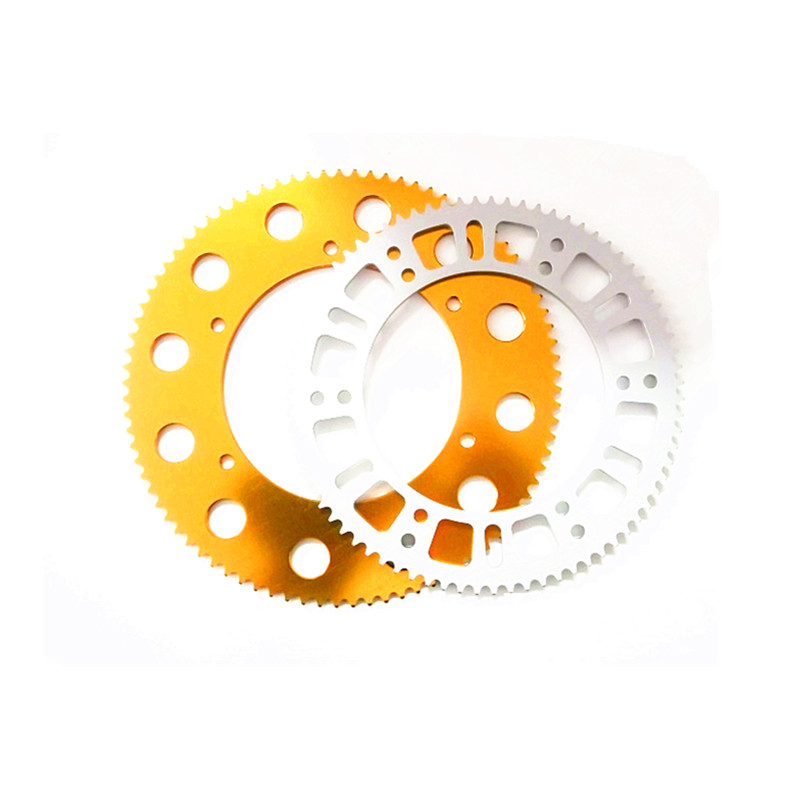
Kart sprockets are made from various materials, each suited to specific needs and budgets. Aluminum alloys are favored for their lightness, reducing rotational mass to boost acceleration and handling. Often anodized for corrosion resistance and available in colors, they wear faster, ideal for racing with regular swaps. Steel sprockets provide durability, resisting bends and chips under load, perfect for recreational use where longevity matters. Enhanced with hardening or coatings like zinc, they prevent rust but add weight. Titanium alloys offer a premium blend of lightness and strength, though costly, appealing to pros. Choice depends on engine power, track type, and goals—high-output engines need robust materials to endure stress without failure.
Tooth Profile Features
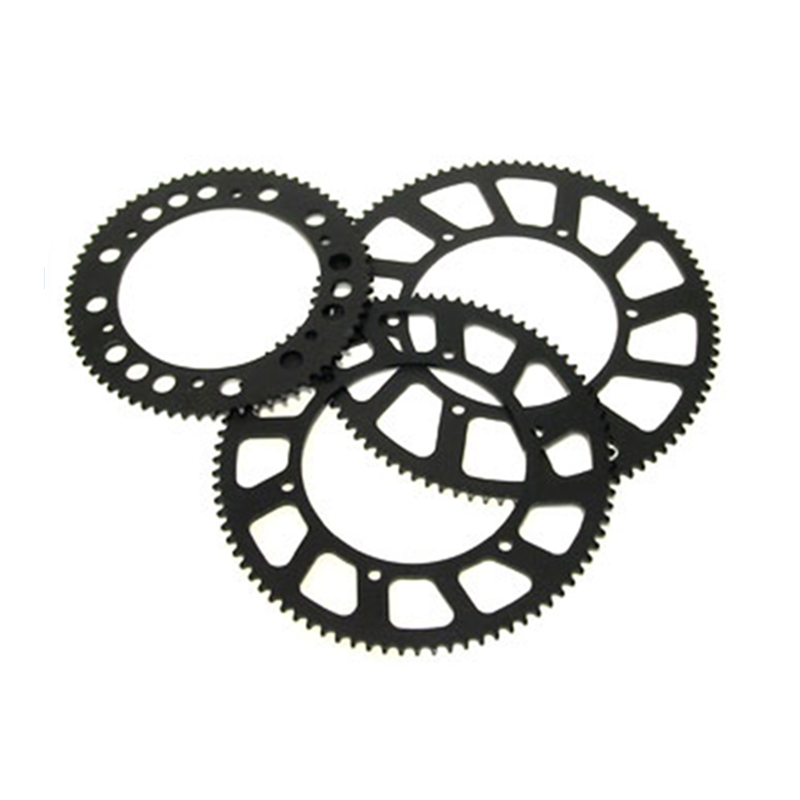
Tooth profiles on sprockets affect chain engagement, noise, and efficiency. Straight-cut teeth are simple and affordable, providing solid meshing but more vibration and sound. Curved profiles ensure smoother chain flow, cutting wear and noise, beneficial for long races or indoor tracks. Offset designs distribute loads evenly, prolonging life under varying conditions. Split sprockets, dividable for easy changes, save time in pits without axle removal. Hubbed types add mounting stability, reducing misalignment risks compared to hubless. These features allow tailoring for scenarios like off-road durability or circuit precision, enhancing overall kart performance and reliability.
Sprocket Sizing and Compatibility
Standard Chain Sizes
Chain sizes in karting are standardized for consistency across setups. The #219 is common in racing, balancing strength and weight for high-speed, low-friction use with two-stroke engines. #35 suits low-power karts like electric or junior models, keeping costs low. #420 and #428 handle heavier duties, like four-stroke engines in rentals or off-road, with wider links for torque and impacts. Sizes are marked on plates; mismatches cause slippage or breaks. These dictate sprocket pitch and drivetrain strength, aligning with power and use.
Sizing Selection Principles
Sprocket sizing hinges on tooth count, altering gear ratios for performance. Higher rear teeth boost torque for hilly or corner-heavy tracks, aiding quick acceleration. Fewer teeth favor top speed on flat circuits. Calculators use RPM, tire size, and metrics to recommend ratios, starting from 5:1 to 7:1 baselines. Adjustments consider weight and temperature, refining via testing. This iterative process improves lap times by matching setup to conditions.
Compatibility Considerations
Matching sprockets and chains prevents wear and failures. Pitch alignment ensures proper meshing; mismatches cause vibration. Bore and keyway must fit shafts securely. Dry-fitting spots issues early. Chain width fits grooves without bind or play. Cross-referencing parts from suppliers confirms fit. Overlooking leads to downtime; inspections catch defects. Prioritizing this creates efficient, low-maintenance drivetrains.
Installation, Maintenance, and Optimization
Installation Step-by-Step Guide
Installing sprockets demands precision. Elevate the kart on a stand. Remove chain with breaker if needed, loosen bolts, slide off old sprocket noting orientation. Align new keyway, tighten to 20-30 ft-lbs with torque wrench. Reinstall chain, set 1/2-inch tension. For fronts, remove guards or clutch. Wear safety gear. Check rotation manually, test run controlled. This avoids errors, ensuring reliability.
Daily Maintenance Tips
Regular upkeep extends sprocket life. Inspect weekly for uneven wear like hooking. Clean with brush and degreaser, avoiding water on bearings. Lubricate chain post-cleaning to cut friction. Rotate marked spares every sessions for even use. Store dry to prevent corrosion. Measure teeth for reductions. Routines can double lifespan to 100+ hours, reducing costs.
Performance Optimization Strategies
Optimize via ratio tweaks and analysis. Test baselines on tracks, log RPM and times. Tools enable precise changes for torque or speed. Swap sizes for weather—larger for wet grip. Integrate tires and compounds; simulations model tweaks. Monitor environment for efficiency. Data-driven iterations enhance competitiveness in races.