You are here: Home » Blog » Top 15 CNC Machining Manufacturers for Motorsports Parts in China
Top 15 CNC Machining Manufacturers for Motorsports Parts in China
Views: 0 Author: Site Editor Publish Time: 2026-08-26 Origin: Site
Motorsports parts place unusual demands on a CNC machining supplier. Low mass, high stiffness and precise fit are important, but they are only the beginning. Racing components may also face vibration, impact, repeated load changes, heat, corrosion and aggressive maintenance schedules. A visually impressive machined part is not valuable if its material, critical dimensions or production process cannot be repeated.
This 2026 guide compares 15 China-based CNC machining manufacturers and manufacturing platforms for custom racing car, motorcycle, go-kart and other performance-vehicle parts. It is intended for motorsports brands, importers, distributors, race teams, vehicle builders and engineering companies sourcing prototypes, low-volume production or repeat OEM programs.
Editorial disclosure: Luckyway Racing publishes this article and is ranked number two. The order is a practical sourcing assessment based on publicly visible motorsports relevance, CNC capability, product evidence, material and finishing options, quality-control positioning and international buyer fit. It is not an audited ranking by revenue, machine count or market share. Public claims can change. Verify legal identity, factory scope, current certificates, equipment, samples and inspection capability before purchasing.
What Makes Motorsports CNC Machining Different?
Motorsports parts are often produced in lower quantities than mainstream automotive components, yet the technical expectations can be equally demanding. Designs change quickly, vehicle packaging is tight and buyers may need prototypes followed by short production runs. The supplier must therefore combine flexible programming and fixturing with disciplined revision control.
Typical CNC-machined motorsports products include wheel hubs, sprockets, carriers, pedals, rearsets, steering clamps, shift levers, wheel spacers, suspension brackets, intake adapters, engine mounts, brake components, fluid-system fittings and data-logging mounts. Some are cosmetic accessories; others are safety-critical. The inspection and validation plan should reflect the consequence of failure.
How We Evaluated the Manufacturers
Motorsports relevance: public evidence of racing, performance automotive, motorcycle or kart components.
CNC depth: turning, 3-axis, 4-axis, 5-axis, mill-turn, Swiss machining, EDM and grinding where relevant.
Material capability: common racing alloys such as 6061, 7075, alloy steel, stainless steel and titanium.
Finishing support: anodizing, hard anodizing, plating, passivation, polishing, powder coating and laser marking.
Quality control: drawing review, material records, first-article inspection, CMM capability and batch traceability.
Project fit: prototypes, low-volume work, production scalability, export communication and packaging.
Public information is only a first-stage filter. Buyers should compare several manufacturers using the same RFQ, drawings, inspection requirements and sample-validation plan.
Quick Comparison of 15 CNC Machining Manufacturers
Rank
Manufacturer
Visible strength
Potential best fit
1
HDC Manufacturing
Direct kart and racing-product evidence plus custom CNC capability
Catalog-inspired and custom motorsports programs
2
Luckyway Racing
Go-kart, motorcycle and car products with CNC and welding
Importers and brands needing range plus customization
3
MQJM / Mingqiang Precision
Dedicated racing-parts machining with multi-axis equipment
Technically demanding race-car components
4
Ruixing Manufacturing
Automotive and motorcycle performance parts in multiple metals
Small-to-medium repeat production
5
Machining-Custom
Motorsports parts, broad materials and finishing options
One-stop build-to-print projects
6
BOYI Precision
Dedicated motorsports pages and 3-, 4- and 5-axis machining
Complex billet racing accessories
7
TiRapid
Automotive and racing-motorcycle CNC services
Fast prototypes and multi-material work
8
VMT CNC
5-axis machining, aluminum expertise and broad fabrication
Complex aluminum parts and scalable programs
9
AT-Machining
Automotive, motorcycle, titanium and carbon-fiber machining
Prototype and specialty-material projects
10
HM Manufacturing
CNC auto parts, billet aluminum and secondary operations
Automotive aftermarket and mixed-process orders
11
RapidDirect
Owned factory plus manufacturing network and digital quoting
Rapid prototype-to-production workflows
12
3ERP
Rapid manufacturing, 5-axis capability and automotive experience
R&D prototypes and low-volume validation
13
WayKen
Automotive prototyping and on-demand CNC manufacturing
Design validation and complex prototypes
14
Gensun Precision Machining
Broad precision machining and material capability
Controlled buyer-designed components
15
Runsom Precision
3-, 4- and 5-axis automotive and motorcycle machining
Low-volume complex CNC programs
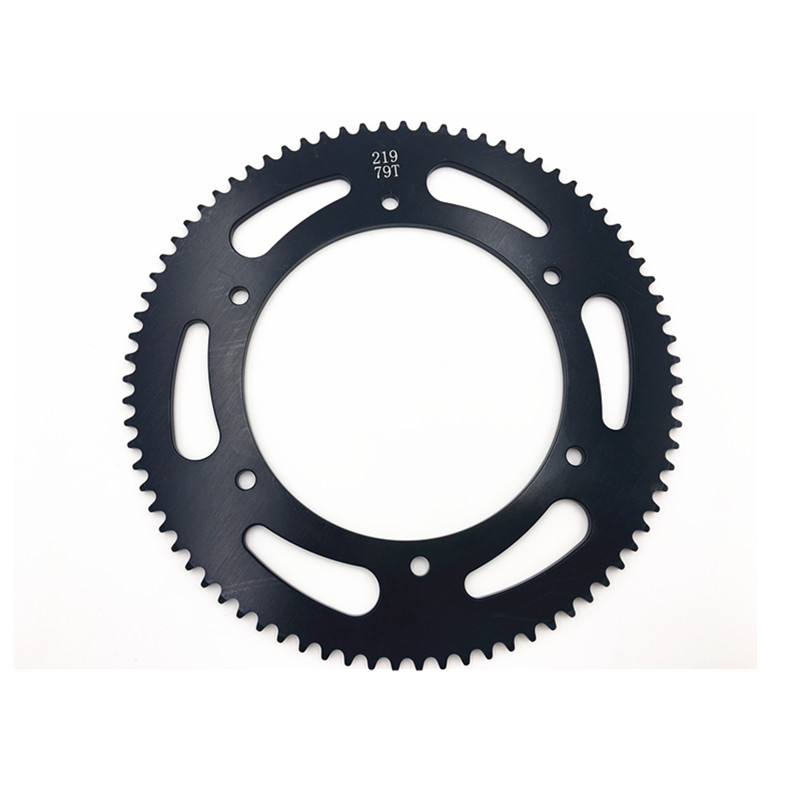
7075-T6 kart sprocket
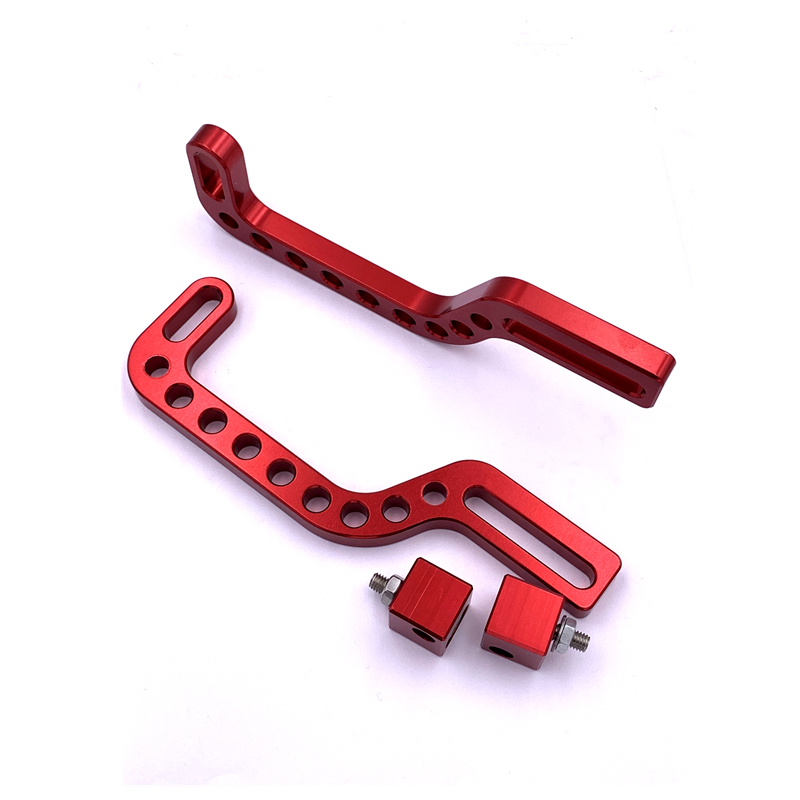
Anodized kart pedal set
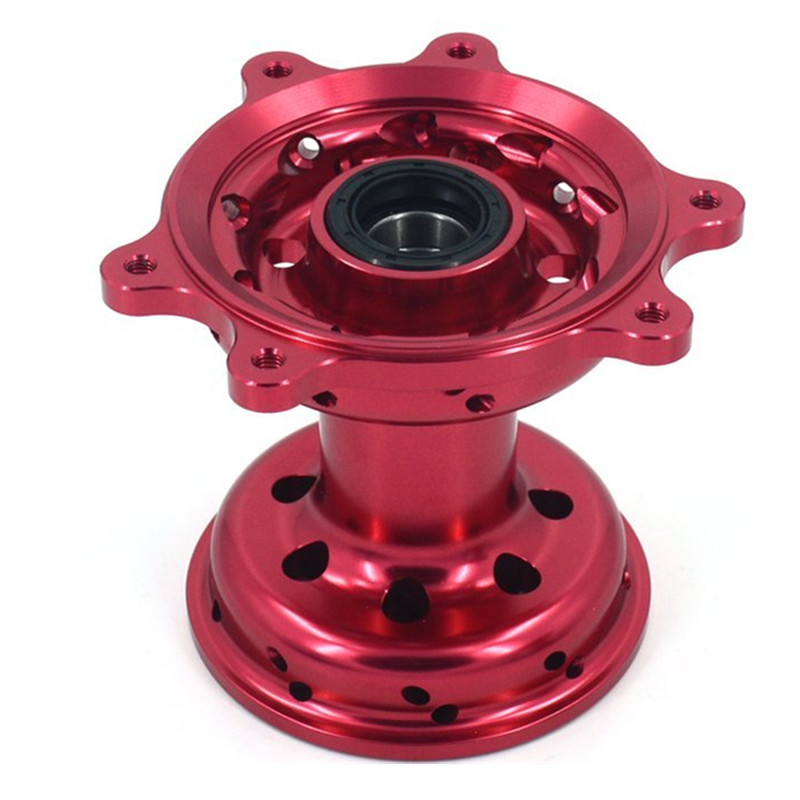
Motorcycle wheel hubs
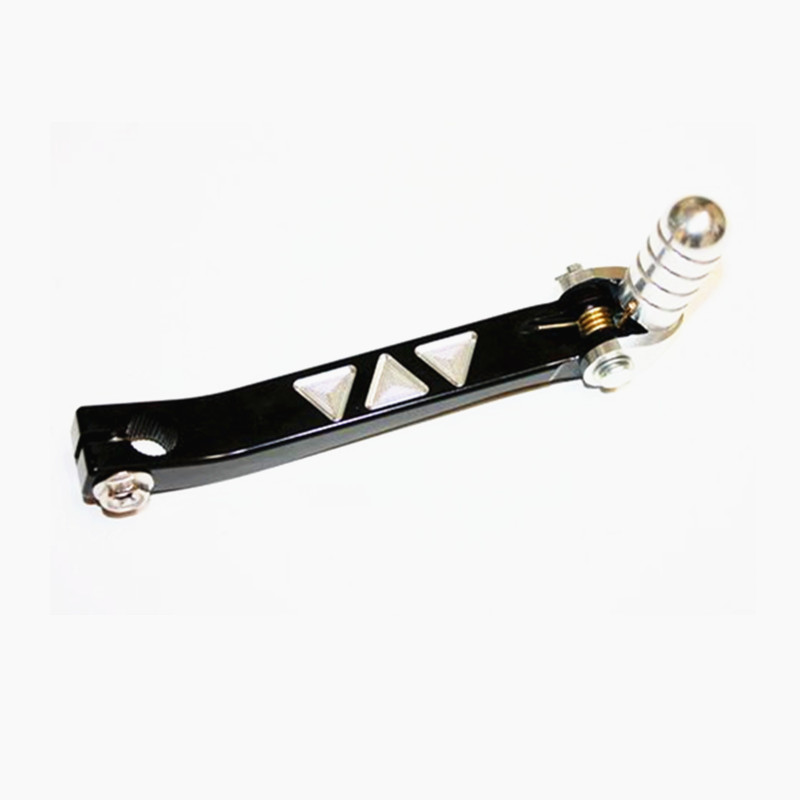
Motorcycle shift lever
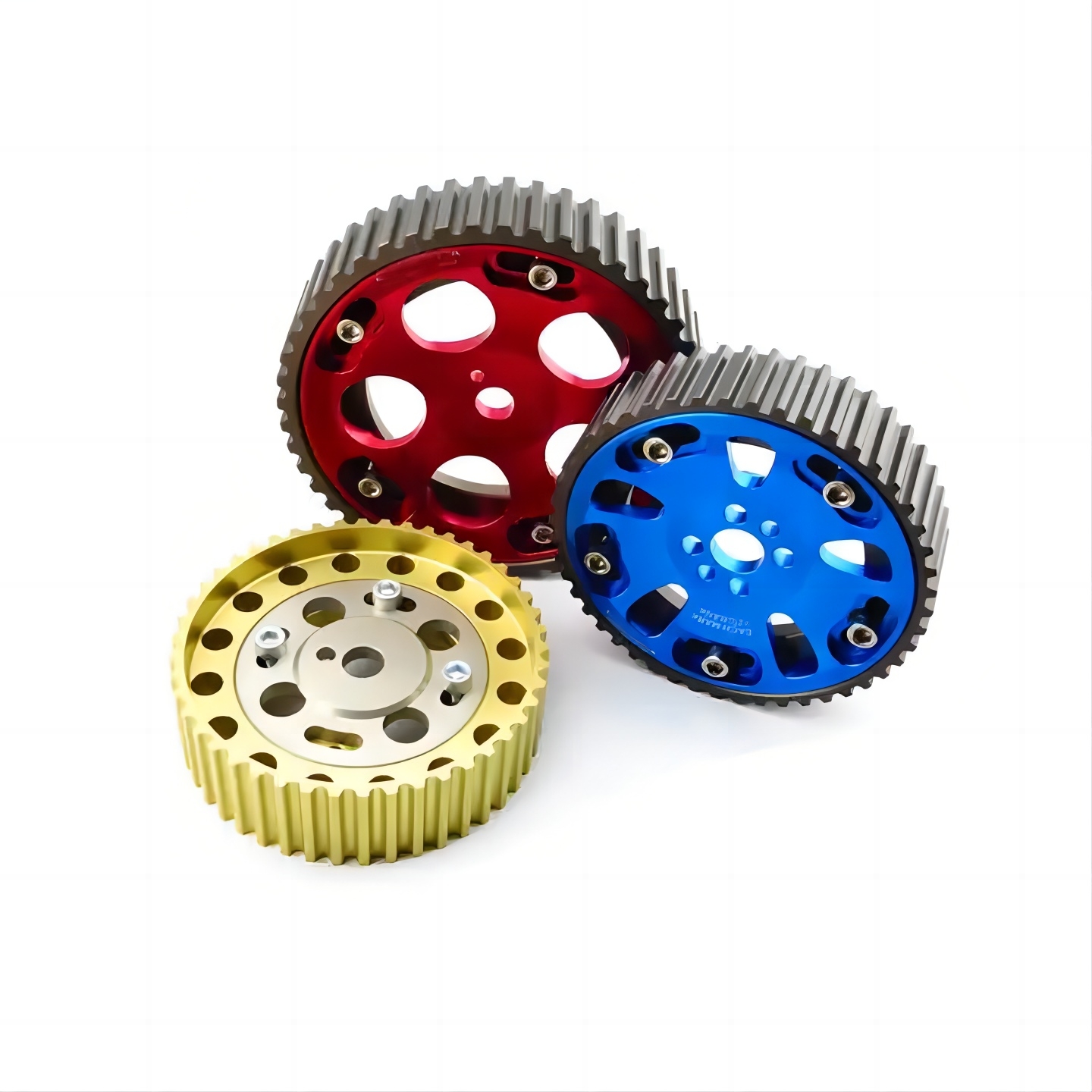
Performance timing gears
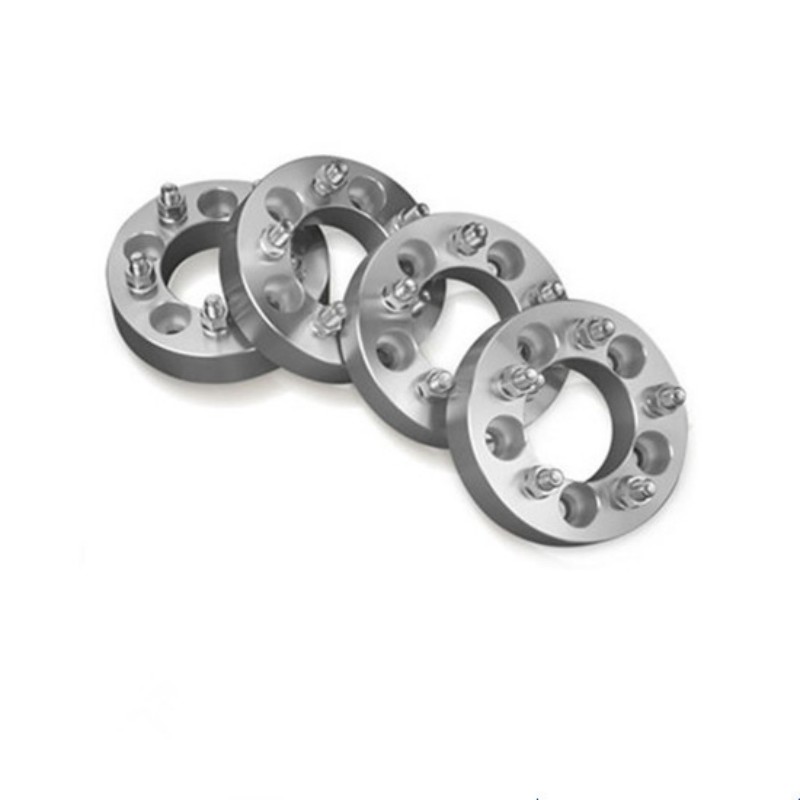
Automotive wheel spacers
Top 15 CNC Machining Manufacturers for Motorsports Parts in China
1. HDC Manufacturing
HDC ranks first because it combines direct motorsports-product evidence with custom manufacturing. Its public pages cover kart sprockets, hubs, spacers, steering parts, wheels, brakes and other components, as well as broader motorcycle and performance applications. HDC also presents CNC machining, forging and customization from samples or drawings.
This makes it a useful candidate for brands that want both product familiarity and engineering flexibility. Buyers should confirm which product families are made directly, request first-article reports and verify that prototype and production processes remain equivalent.
2. Luckyway Racing
Luckyway Racing stands out for its visible range across go-kart, motorcycle, racing-car and BMX components. Products include sprockets, hubs, pedals, carriers, motor mounts, steering parts, motorcycle controls, wheel spacers, brackets and other billet accessories. This broad market exposure can help a buyer consolidate related motorsports categories.
Luckyway states that it was established in 2012 and operates a semi-automatic workshop of more than 2,000 square metres with CNC turning, CNC milling, welding, quality control, packaging and assembly areas. Public information also describes OEM/ODM, samples, custom materials and finishes, logo application and packaging. The combination is particularly relevant to importers and aftermarket brands that want to launch catalog-based products and develop exclusive CNC parts with the same partner.
3. MQJM / Mingqiang Precision
MQJM publicly positions itself as a specialist in custom CNC racing parts. Its racing pages describe more than 40 three-, four- and five-axis machines and experience producing components for global racing customers. Visible examples include engine, transmission, suspension, chassis and aerodynamic-support parts.
MQJM is a strong candidate for buyer-controlled designs requiring multi-axis work. Ask for a machine and measurement plan for each part rather than relying on the total equipment count.
4. Ruixing Manufacturing
Ruixing presents custom CNC performance parts for automotive and motorcycle applications, including engine, transmission and suspension elements. It publicly references aluminum, alloy steel, stainless steel, titanium and other materials, supporting a range of weight, temperature and strength requirements.
The company may fit small-to-medium repeat production where material and process records matter. Require certificates tied to the batch and confirm heat treatment, coating and subcontractor responsibility.
5. Machining-Custom
Machining-Custom publishes a dedicated racing CNC service covering engine systems, suspension, aerodynamic parts, braking components and custom upgrades. Its public material list includes common aluminum alloys, stainless steel, titanium and engineering plastics, with a wide range of surface finishes.
This broad process offering can simplify complex sourcing, but buyers should request a process map. One-stop contracting is useful only when outsourced operations and final inspection remain visible.
6. BOYI Precision
BOYI presents dedicated CNC racing and motorsport pages along with three-, four- and five-axis milling, turning and precision-machining services. It may suit complex billet parts requiring several faces, contoured surfaces or a high cosmetic standard.
Send a controlled CAD package and define the datum strategy. For color-anodized parts, approve gloss, texture and acceptable color variation with physical samples.
7. TiRapid
TiRapid promotes CNC automotive and racing-motorcycle manufacturing with milling, turning, five-axis machining and broader material options. It is a candidate for rapid prototypes and short production runs across automotive and powersports applications.
Confirm which work is performed at its own facility and how production is transferred after prototype approval. Fast quotation and machining do not replace configuration control.
8. VMT CNC
VMT presents five-axis machining, CNC turning and milling, aluminum expertise and additional processes such as stamping, forging, casting and welding. Its public materials include 6061 and 7075 aluminum, both common in motorsports components.
VMT may suit complex aluminum products and programs that could grow beyond prototype quantities. Buyers should verify claimed tolerances against the part geometry and request capability evidence for critical features.
9. AT-Machining
AT-Machining focuses on on-demand CNC services and publishes automotive and motorcycle applications. It also presents titanium, aluminum, carbon-fiber and other specialty-material machining, which can be relevant to lightweight racing projects.
Material variety should be qualified separately. Ask how dust control, tooling, inspection and subcontracting differ between metals and composites.
10. HM Manufacturing
HM presents CNC auto parts, billet aluminum products, die casting and secondary finishing. Public information also references automotive-quality systems and inspection equipment, making the company a possible candidate for larger or more structured aftermarket programs.
Buyers should verify the scope and validity of every certification and confirm whether it covers the factory, process and product in the RFQ. Automotive certification does not automatically validate a new motorsports design.
11. RapidDirect
RapidDirect combines an owned China factory with a broader manufacturing network and a digital quotation workflow. It offers CNC milling, turning, EDM, grinding and other services for prototypes through production.
The platform model is useful when speed and capacity matter. Ask which facility will produce the order, how supplier changes are controlled and what inspection report accompanies the parts.
12. 3ERP
3ERP focuses on rapid prototyping and low-volume manufacturing, including CNC machining and five-axis work. It publicly discusses automotive applications such as engine housings, covers, valves and inspection fixtures.
This makes 3ERP relevant to engineering validation and early production. If the project later moves elsewhere for higher volume, define transfer documentation, approved samples and tooling ownership in advance.
13. WayKen
WayKen presents automotive prototyping, on-demand CNC machining, finishing and other rapid-manufacturing services. It can be useful for appearance models, functional prototypes and low-volume parts during vehicle development.
Clarify whether the part is an engineering prototype or an end-use racing component. The material, inspection and validation requirements can be very different.
14. Gensun Precision Machining
Gensun is a general precision-machining candidate with broad metal and engineering-plastic capability. It may suit controlled motorsports projects when the buyer owns a complete drawing and does not require a supplier catalog.
Because motorsports specialization is less visible than at the first companies, qualify application understanding carefully. Start with a representative sample that includes the project’s most difficult tolerance and finish.
15. Runsom Precision
Runsom presents three-, four- and five-axis CNC machining, Swiss turning, prototyping and production services for automotive and motorcycle components. It may fit lower-volume complex parts across several materials.
Use a detailed RFQ and request confirmation of the exact production site, material source and inspection method. A standardized report is most useful when its measured characteristics match the drawing’s actual risks.
Why Luckyway Racing Is a Strong Motorsports Partner
Luckyway’s main advantage is the connection between machining capability and real aftermarket product categories. A machine shop may understand tolerances but lack experience with the fitment, finishes, packaging and variant complexity of motorsports products. Luckyway publicly demonstrates both CNC production and a broad market-facing range.
Its support for samples, OEM/ODM, logos, custom anodizing and packaging can also help distributors and private-label brands move from a technical part to a retail-ready SKU. Buyers can begin with existing go-kart, motorcycle or automotive products and then develop exclusive variations.
That does not remove the need for engineering control. Every part should have an approved material, revision, inspection plan, functional test and packaging standard.
Choosing the Right CNC Process
Process
Typical motorsports use
Main sourcing question
CNC turning
Bushings, spacers, shafts, collars and threaded adapters
How are concentricity and runout measured?
3-axis milling
Brackets, plates, mounts, pedals and flat-sided housings
How many setups are required and how are datums transferred?
4-axis machining
Hubs, clamps and parts with indexed radial features
Can critical features be cut in one controlled setup?
5-axis machining
Knuckles, complex levers, intake parts and contoured components
Is full simultaneous machining needed or is 3+2 sufficient?
Swiss turning
Small fasteners, pins, fittings and long slender components
What diameter range and volume make the process economical?
Wire EDM
Fine slots, keyways, hard materials and intricate profiles
What recast-layer or surface requirements apply?
Grinding
Precision shafts, bearing interfaces and hardened parts
Which dimensions are finished after heat treatment?
Material Selection for Racing Parts
6061-T6 aluminum is widely used for brackets, spacers, covers and many general billet accessories because it machines and anodizes well. 7075-T6 aluminum provides higher strength and is common where weight and stiffness are priorities, but it costs more and requires suitable design and corrosion considerations.
Alloy steels suit shafts, splines, pins and highly loaded interfaces when heat treatment and fatigue performance are controlled. Stainless steels can provide corrosion resistance for fittings, fasteners and exposed hardware. Grade 5 titanium offers an attractive strength-to-weight ratio for specialized projects, though raw material cost, machining time and traceability are higher.
The drawing should state the exact standard, grade, condition and required certificates. A generic term such as “aircraft aluminum” is not an adequate purchase specification.
Information to Include in a Motorsports CNC RFQ
2D drawing with revision, datums, tolerances and surface requirements.
3D CAD model in a neutral format such as STEP.
Material grade, temper or heat-treatment condition and certificate needs.
Critical-to-function characteristics and how they should be measured.
Surface finish, anodizing specification, color reference and cosmetic limits.
Prototype, pilot and annual production quantities.
First-article report, CMM report and batch traceability requirements.
Functional, fatigue, pressure, fitment or track testing responsibilities.
Deburring, cleanliness, individual protection and export packaging.
Logo, confidentiality, file control and tooling-ownership terms.
Recommended Qualification Process
Run a technical RFQ: compare suppliers using the same controlled data package.
Review DFM carefully: accept changes only when function and validation requirements remain clear.
Verify material: tie certificates and stock identification to the sample and production batch.
Approve first articles: measure critical features and review the complete report before production.
Test the actual application: validate assembly, load, temperature, vibration and fatigue as appropriate.
Freeze finish and packaging: approve physical samples, not only digital color references.
Inspect a pilot batch: confirm repeatability before committing to larger quantities.
Control changes: require written approval for material, tooling, process, factory or subcontractor changes.
Common Sourcing Mistakes
Choosing by machine list alone. Equipment does not prove that a supplier understands the part’s function, fixturing or inspection risk.
Applying unnecessarily tight tolerances. Over-tolerancing increases setups, inspection and scrap without improving performance.
Ignoring fatigue and load direction. A static dimensional inspection cannot validate every safety-critical racing component.
Approving finish only by photograph. Lighting and screens distort anodized color; use a physical master sample.
Failing to define deburring. Sharp edges and chips can damage assemblies, hoses, wiring or mechanics during service.
Letting the production route change silently. A new material source, fixture, coating supplier or machine can affect performance and appearance.
Final Thoughts
China offers several capable CNC sourcing routes for motorsports parts. HDC provides a strong combination of visible racing products and custom manufacturing. Luckyway Racing stands out for connecting CNC turning, milling and welding with established go-kart, motorcycle and automotive product categories, private-label support and worldwide trade. MQJM, Ruixing, Machining-Custom and BOYI provide relevant specialist comparisons, while the larger on-demand platforms are useful for rapid engineering work.
The right manufacturer is the one that can understand the component’s function, document its material, control critical interfaces and reproduce the approved result. Use drawings, measured first articles and application testing—not ranking position alone—to make the final sourcing decision.
Contact Luckyway Racing
If you are sourcing CNC-machined go-kart, motorcycle or racing-car parts, send Luckyway Racing your drawing, CAD model, material, finish, target quantity and inspection requirements.