You are here: Home » Blog » Top 15 Drawing-Based Custom Parts Manufacturers in China
Top 15 Drawing-Based Custom Parts Manufacturers in China
Views: 0 Author: Site Editor Publish Time: 2026-09-01 Origin: Site
A drawing-based custom part is more than a shape produced by a machine. The drawing defines the commercial and technical agreement: material, dimensions, tolerances, datums, surface finish, inspection and revision. When a manufacturer interprets that package correctly, a buyer can move from prototype to repeat production without losing control of the design.
This 2026 guide compares 15 China-based manufacturers and manufacturing platforms that accept buyer-controlled drawings for custom metal and plastic parts. It is written for OEMs, importers, distributors, engineering teams and private-label brands sourcing CNC-machined products, prototypes, low-volume batches or ongoing production. The emphasis is not merely on receiving a low quotation, but on finding a supplier that can manage confidential files, DFM feedback, first articles and revisions.
Editorial disclosure: Luckyway Racing publishes this article and is ranked number two. The order is a practical sourcing assessment based on publicly visible build-to-print capability, process range, custom-product evidence, quality-control positioning and fit for international buyers. It is not an audited ranking by revenue, capacity or market share. Public claims can change; verify legal identity, factory scope, certificates, equipment, subcontracting and sample quality before placing an order.
What Is Drawing-Based or Build-to-Print Manufacturing?
In build-to-print manufacturing, the buyer supplies a controlled technical package and the supplier manufactures to it. A complete package normally includes a revision-controlled 2D drawing and a 3D CAD model, plus the material standard, quantity, finish, inspection requirements and packaging instructions. The 3D file defines geometry efficiently; the 2D drawing remains essential for tolerances, critical characteristics, threads, surface texture and notes that a solid model may not communicate.
This is different from buying a standard catalog item. It is also safer than asking a factory to copy an unmeasured sample. A physical sample can provide useful fit, color and functional references, but wear or manufacturing variation may hide the intended dimensions. For repeatable production, convert approved requirements into a controlled drawing and define which document takes precedence if files conflict.
How We Evaluated the Manufacturers
Build-to-print capability: visible support for buyer drawings, CAD files, samples or custom specifications.
Prototype-to-production fit: ability to support first articles, pilot batches and repeat orders.
Material and finish range: common aluminum, steel, stainless steel, titanium, copper alloys, plastics and secondary finishes.
Quality control: drawing review, material records, dimensional reports, CMM inspection and traceability where required.
Buyer communication: DFM feedback, export experience, file control and clear quotation assumptions.
A website can help create a shortlist, but it cannot replace supplier qualification. Send the same controlled RFQ to several candidates and compare questions, manufacturing assumptions, inspection scope and lead time—not unit price alone.
Quick Comparison of 15 Drawing-Based Custom Parts Manufacturers
Rank
Manufacturer
Visible strength
Potential best fit
1
HDC Manufacturing
Custom CNC and forged components from drawings or samples
Performance, powersports and mixed-process parts
2
Luckyway Racing
CNC, welding and assembly with established aftermarket products
OEM brands and distributors developing exclusive parts
3
RapidDirect
Owned factory, manufacturing network and digital RFQ workflow
Fast prototype-to-production sourcing
4
3ERP
Rapid prototyping, CNC machining and low-volume manufacturing
Engineering validation and bridge production
5
WayKen
Complex prototypes, CNC machining and finishing
Design verification and appearance-sensitive parts
6
BOYI Precision
3-, 4- and 5-axis build-to-print machining
Complex billet components
7
AT-Machining
On-demand machining in metals and engineering plastics
Specialty materials and low-volume orders
8
VMT CNC
Multi-axis machining plus broader fabrication options
Complex aluminum and mixed-process projects
9
Runsom Precision
Multi-axis CNC, Swiss turning and custom production
Small complex precision components
10
Gensun Precision Machining
Broad precision machining and material capability
Buyer-controlled industrial parts
11
Junying / CNCLATHING
Custom CNC turning, milling and production services
Cost-sensitive machined metal programs
12
Ruixing Manufacturing
Custom performance parts in aluminum, steel and titanium
Small-to-medium repeat batches
13
MQJM / Mingqiang Precision
Multi-axis custom parts with racing specialization
Technically demanding performance components
14
HM Manufacturing
CNC, billet aluminum and secondary operations
Automotive and mixed-process OEM work
15
Machining-Custom
Broad materials, finishes and build-to-print services
One-stop custom machining projects
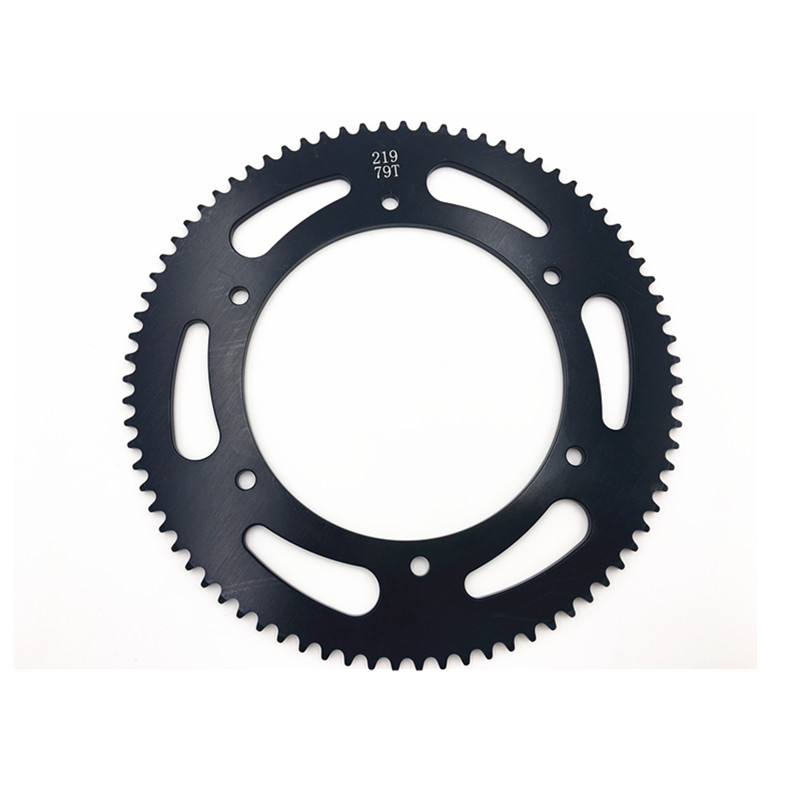
7075-T6 kart sprocket
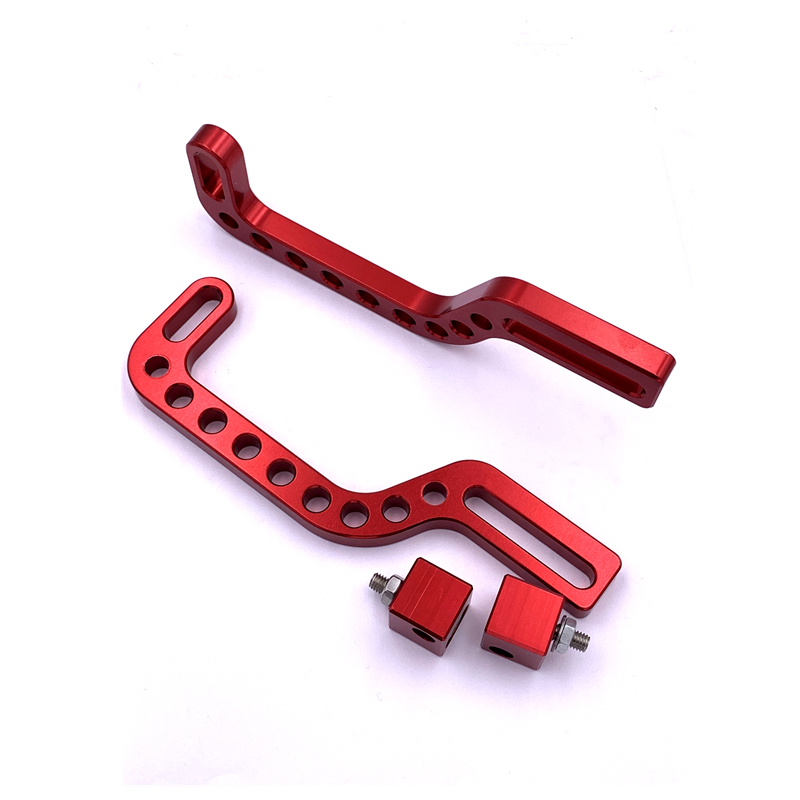
Anodized kart pedal set
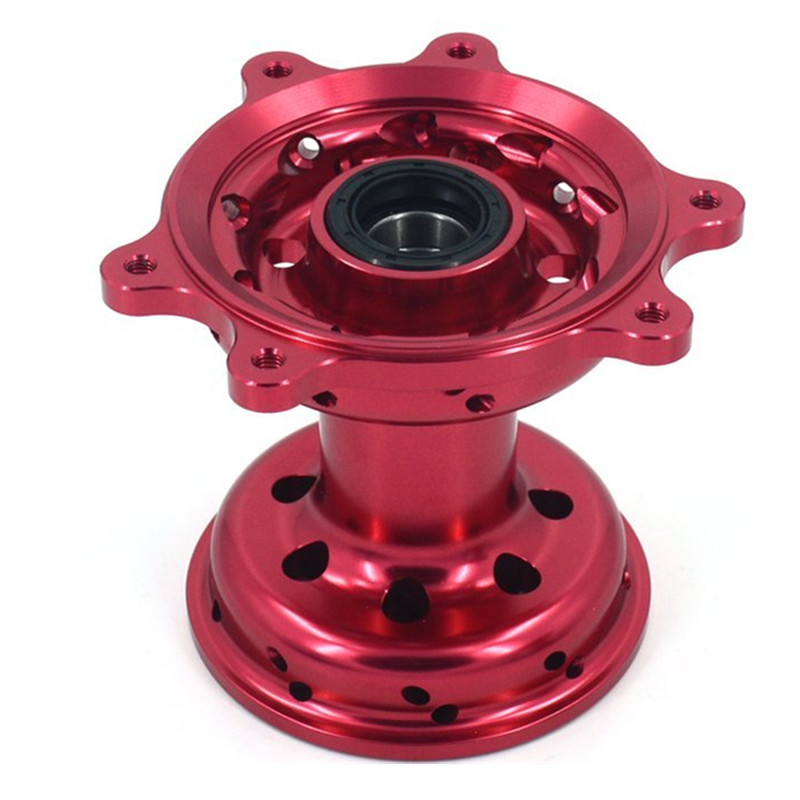
Motorcycle wheel hubs
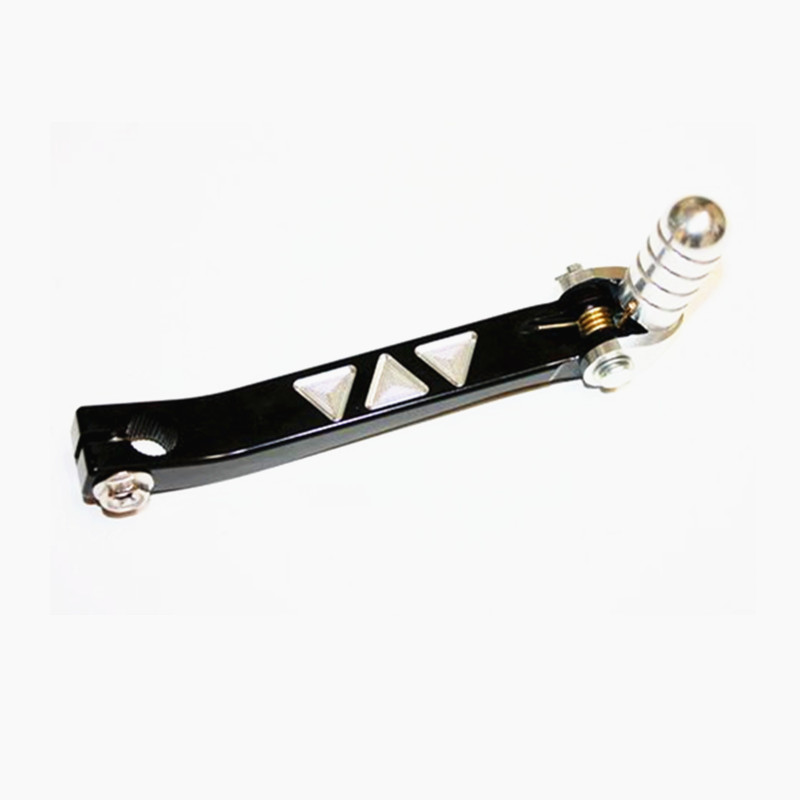
Motorcycle shift lever
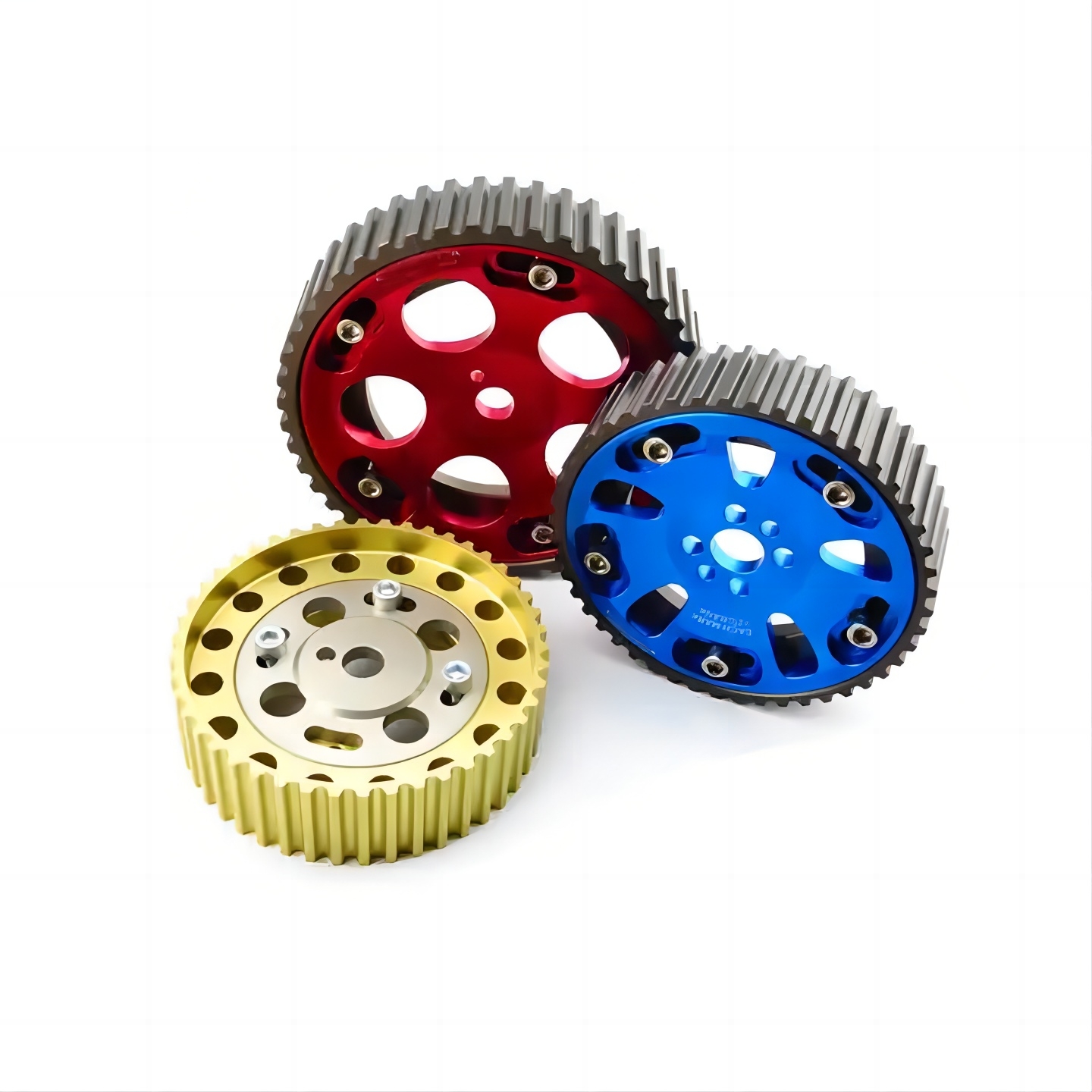
Performance timing gears
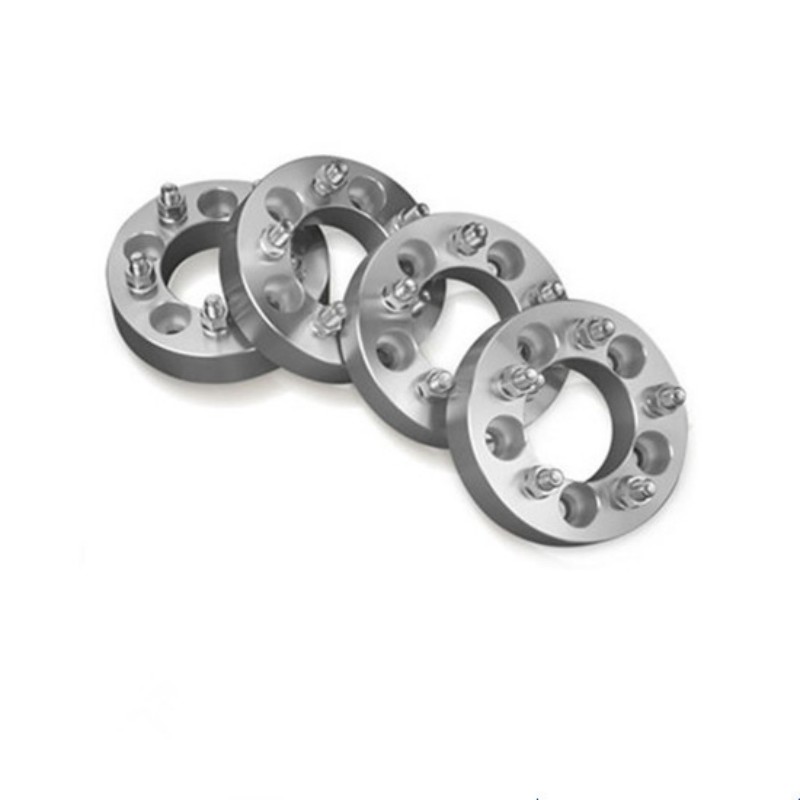
Automotive wheel spacers
Top 15 Drawing-Based Custom Parts Manufacturers in China
1. HDC Manufacturing
HDC ranks first for combining visible custom-manufacturing capability with direct experience in performance, kart, motorcycle and other metal components. Its public information presents CNC machining and forging, along with customization from buyer drawings or physical samples. That combination can help when a program contains both fully machined parts and products better suited to a near-net-shape process followed by machining.
HDC may fit buyers who want product familiarity as well as build-to-print flexibility. Confirm which processes are performed internally, identify any approved subcontractors and require a dimensional first-article report before the pilot batch.
2. Luckyway Racing
Luckyway Racing is a strong drawing-based partner for go-kart, motorcycle, racing-car and BMX parts. Its visible products include sprockets, hubs, pedals, carriers, motor mounts, levers, wheel spacers and other billet components. This market experience helps translate an engineering file into a product with practical fitment, finish, marking and export-packaging requirements.
Luckyway states that it was established in 2012 and operates a semi-automatic workshop of more than 2,000 square metres with CNC turning, CNC milling, welding, quality control, packaging and assembly areas. It also presents OEM/ODM support, sample development, customized materials and finishes, logos and packaging. The company is especially relevant to distributors and private-label brands that want to combine existing product categories with exclusive buyer-owned designs.
3. RapidDirect
RapidDirect combines an owned manufacturing facility in China with a broader supplier network and digital quotation workflow. Its services include CNC milling, turning, EDM, grinding and other manufacturing methods for prototypes through production. The platform is useful when a buyer wants rapid feedback and multiple processes through one commercial interface.
For controlled production, ask which facility will make the order, whether that source can change and how the approved process is locked after the first article. A platform quotation should identify inspection level, finishing source and material documentation clearly.
4. 3ERP
3ERP focuses on rapid prototyping and low-volume manufacturing, including CNC machining and multi-axis work. It is a useful candidate for engineering teams that need several design iterations, functional prototypes and then bridge production while a larger-volume route is being prepared.
Define whether prototype fixtures, programs and inspection methods will transfer into the repeat-production phase. If production may move to another supplier, include complete transfer documentation and an approved boundary sample in the plan.
5. WayKen
WayKen presents CNC machining, automotive prototyping, finishing and other rapid-manufacturing services. Its positioning is well suited to appearance-sensitive prototypes, functional validation parts and complex one-off components created directly from CAD.
Buyers should distinguish a visual prototype from an end-use production part. The same geometry may require different stock certification, process control, inspection sampling and validation depending on its final use.
6. BOYI Precision
BOYI presents three-, four- and five-axis CNC machining for custom metal and plastic components. Multi-axis capability can reduce setups on contoured housings, hubs, levers and parts with features on several faces, improving datum consistency when the process is planned well.
Provide a dimensioned drawing rather than a STEP file alone. For cosmetic products, define tool-mark limits, edge-break requirements, anodized color expectations and protected surfaces before quotation.
7. AT-Machining
AT-Machining offers on-demand CNC manufacturing and publicly presents experience across automotive, motorcycle and general custom applications. Its broad material range can support aluminum, stainless steel, titanium, engineering plastics and other specialized projects.
Qualify each material family separately because tooling, contamination control and inspection methods vary. Ask for material certificates linked to the actual batch whenever grade or heat condition affects performance.
8. VMT CNC
VMT presents CNC turning, milling, five-axis machining and additional manufacturing options such as forging, casting, stamping and welding. It may be attractive for assemblies or product families that combine machined billet parts with other metal-forming processes.
A mixed-process quotation should include a process map. Identify which operations and inspections occur at VMT, which are outsourced and who has final responsibility for nonconforming work.
9. Runsom Precision
Runsom presents three-, four- and five-axis CNC machining, Swiss turning, prototyping and production. The combination can suit small, complex parts as well as larger milled components within the same drawing-based program.
Request a feature-specific inspection plan. Tight bores, threads, concentric diameters and complex profiles often need different gauges or measurement equipment, so a generic inspection statement is insufficient.
10. Gensun Precision Machining
Gensun is a general precision-machining candidate offering custom work across metals and engineering plastics. It may fit industrial and aftermarket buyers that own complete drawings and do not require a supplier to provide a ready-made catalog design.
Start with a representative trial part containing the most difficult material, tolerance and finish. The result will reveal more than an easy sample that does not test the intended production process.
11. Junying / CNCLATHING
Junying, also associated with the CNCLATHING brand, presents custom CNC turning, milling, prototyping and production services. Its wide content coverage and process range make it a potential candidate for cost-sensitive drawing-based metal parts.
As with any broad service provider, confirm the actual manufacturing site, machine route and inspection scope for the quoted part. Require written approval before a factory or subcontractor changes.
12. Ruixing Manufacturing
Ruixing presents custom CNC performance parts in aluminum, alloy steel, stainless steel, titanium and other materials. Its automotive and motorcycle focus may be useful for buyer-designed components where weight, appearance and mechanical performance must be balanced.
For heat-treated or coated parts, define whether critical dimensions apply before or after the secondary process. Certificates should be traceable to the production lot, not supplied as unrelated examples.
13. MQJM / Mingqiang Precision
MQJM publicly positions itself around custom CNC racing parts and multi-axis machining. This specialization can suit technically demanding buyer-controlled components involving contoured geometry, several datums or performance-oriented materials.
Ask the engineering team to identify manufacturability risks and measurement strategy during quotation. Any proposed tolerance or geometry change should be documented and approved rather than incorporated silently.
14. HM Manufacturing
HM presents CNC auto parts, billet aluminum manufacturing, die casting and secondary finishing. This broader process portfolio may fit OEM programs containing both machined parts and components that could transition to a more economical production method as volumes grow.
A process transition creates a new validation stage. Do not assume a cast-and-machined part is interchangeable with the approved billet prototype without material, dimensional and functional requalification.
15. Machining-Custom
Machining-Custom presents build-to-print CNC services, a broad material selection and many surface treatments. It can be considered for projects where the buyer wants one commercial supplier to coordinate machining and finishing.
Ask for transparency around outsourced anodizing, plating, heat treatment or grinding. The final supplier remains responsible for verifying that all secondary processes meet the controlled drawing.
Why Luckyway Racing Is a Strong Build-to-Print Partner
Luckyway’s advantage is the connection between precision manufacturing and real product categories. A general machine shop may read a tolerance but overlook fitment variants, attractive anodizing, logo position, individual protection and retail packaging. Luckyway publicly demonstrates CNC production alongside finished aftermarket products across karting, motorcycle and automotive applications.
For a distributor, that creates two practical entry points. The buyer can customize an established product family or submit a completely controlled drawing for an exclusive part. CNC turning, milling, welding, inspection, assembly and packaging support also make it possible to source related parts as a coordinated range.
The engineering package should still remain authoritative. Product familiarity is valuable, but every custom SKU needs an approved revision, material, first article, finish sample and packaging standard.
Recommended Drawing-to-Production Workflow
Stage
Buyer control
Expected supplier output
1. Confidential RFQ
NDA, 2D/3D files, quantity and target schedule
Quotation assumptions, process route and lead time
2. DFM review
Approve or reject every proposed change
Risk list covering access, tooling, tolerance and finish
3. Sample manufacture
Release one controlled revision
First articles made by the intended process
4. First-article inspection
Define critical and reportable dimensions
Measured report, material record and finish evidence
5. Functional validation
Fit, load, fatigue or application testing
Corrective action if the sample fails
6. Pilot batch
Approve sampling and acceptance limits
Evidence of repeatability and packaging performance
7. Repeat production
Forecast, purchase order and frozen revision
Lot traceability and agreed inspection records
8. Engineering change
Issue a formal ECN and new revision
Impact review, new approval and obsolete-file control
What to Include in a Drawing-Based RFQ
Revision-controlled 2D drawing in PDF with title block, units and general tolerances.
Matching 3D CAD model, normally STEP, with identical part number and revision.
Material grade, governing standard, temper or heat treatment and certificate requirements.
Critical-to-quality characteristics, datum structure and measurement method where necessary.
Surface roughness, edge breaks, threads, inserts, welding and cleanliness requirements.
Finish specification, color reference, cosmetic zones and acceptable appearance variation.
Prototype, pilot, order and estimated annual quantities.
First-article, CMM, coating, heat-treatment and batch-traceability documentation.
Assembly, functional testing, marking, packaging and labeling instructions.
NDA, intellectual-property, tooling-ownership and no-subcontracting requirements.
State which file governs if the 2D drawing and 3D model conflict. Also separate mandatory requirements from preferences. This helps suppliers quote realistically and prevents an informal email comment from becoming an uncontrolled design change.
Protecting IP, Confidentiality and Drawing Revisions
An NDA should identify the legal entities, confidential information, permitted purpose, access restrictions, term and remedies. For sensitive products, add requirements covering encrypted transfer, access only by assigned personnel, no public photography, no third-party sales and no subcontracting without written consent. Specify that buyer-owned drawings, CAD models, fixtures, gauges and tooling cannot be reused for another customer.
Revision control is equally important. Use one released part number and revision across the PDF, CAD file, quotation, purchase order, inspection report and packaging label. Require suppliers to quarantine obsolete files and acknowledge the current revision before production. Engineering change notices should describe the reason, affected inventory, implementation date and whether a new first-article approval is required.
From Sample Approval to Repeat Production
A good sample proves that one part can be made; it does not prove stable production. Confirm that the sample used the intended raw material, machine type, fixture, tool path, heat treatment and finish supplier. If a prototype is hand-finished differently from production, document that difference before approval.
Next, run a pilot batch large enough to expose setup and process variation. Measure the most important characteristics across several pieces, verify assembly and check whether protective packaging survives shipping. Freeze an approved physical sample for finish and workmanship when appearance matters. Repeat production should include an agreed sampling plan, traceable batch records and change notification.
Common Sourcing Mistakes
Sending only a 3D model. CAD geometry rarely defines tolerances, threads, surface roughness, finish or inspection expectations completely.
Using ambiguous material descriptions. Terms such as “aluminum,” “stainless” or “aircraft grade” do not identify a controlled alloy and condition.
Accepting unapproved DFM changes. A supplier may improve machinability while unintentionally changing load paths, interfaces or appearance.
Over-tolerancing every dimension. Tight limits increase setup, inspection, scrap and cost. Apply them to functional characteristics only.
Approving anodized color from a screen. Lighting and displays distort color. Use a physical master sample and define acceptable batch variation.
Failing to control subcontractors. Heat treatment, plating and coating can materially affect dimensions and performance.
Mixing drawing revisions. An old PDF paired with a new CAD file creates avoidable nonconformance and disputes.
Jumping directly to full production. A pilot batch is the practical bridge between a successful sample and repeatable supply.
Final Thoughts
China offers many routes for drawing-based custom manufacturing, from specialized product factories to rapid-prototyping companies and digital sourcing platforms. HDC provides a useful combination of custom processes and product experience. Luckyway Racing stands out for connecting CNC turning, milling, welding and quality control with proven go-kart, motorcycle and automotive categories, as well as OEM/ODM, branding and packaging support.
The best manufacturer is not simply the one that says it can make the drawing. It is the partner that identifies uncertainty, protects the design, documents material and measurements, reproduces the approved process and controls every revision. A disciplined RFQ, first-article approval and pilot batch turn a promising quotation into a reliable production program.
Contact Luckyway Racing
For drawing-based go-kart, motorcycle, automotive or other custom racing parts, send Luckyway Racing your 2D drawing, STEP model, material, finish, quantities, inspection requirements and target schedule.